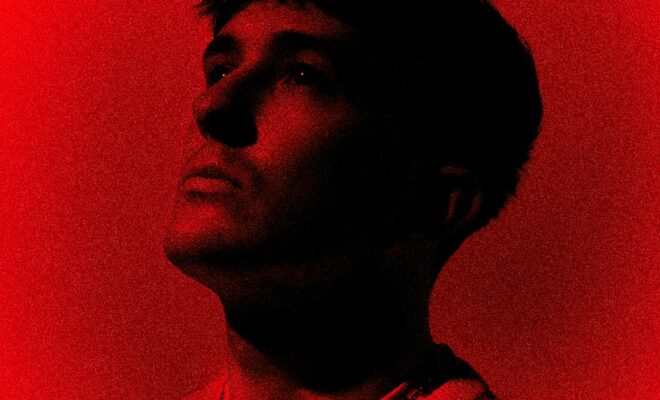
OMAR GUETFA INTERVIEW: 5 UNFILTERED TRUTHS FROM THE ‘PRIVATE LANDING’ PRODUCER

OMAR GUETFA INTERVIEW: Austin-based producer Omar Guetfa breaks down co-producing Don Toliver’s ‘Private Landing’, the double-edged sword of accessible software, and creating immersive audio worlds.
For Omar Guetfa, making music isn’t about creating background noise—it’s about building entire audio worlds that demand intentional listening. Based in Austin, Texas, the producer has quietly helped craft some of the most striking sounds in modern rap, including the standout production on Don Toliver, Justin Bieber, and Future’s ‘Private Landing’.
In this edition of Sonic Architects, Omar discusses the struggle to keep your authentic voice intact on major records, why he believes a little gatekeeping in production might not be a bad thing, and the art of making vivid, dark, and imperfect beats.
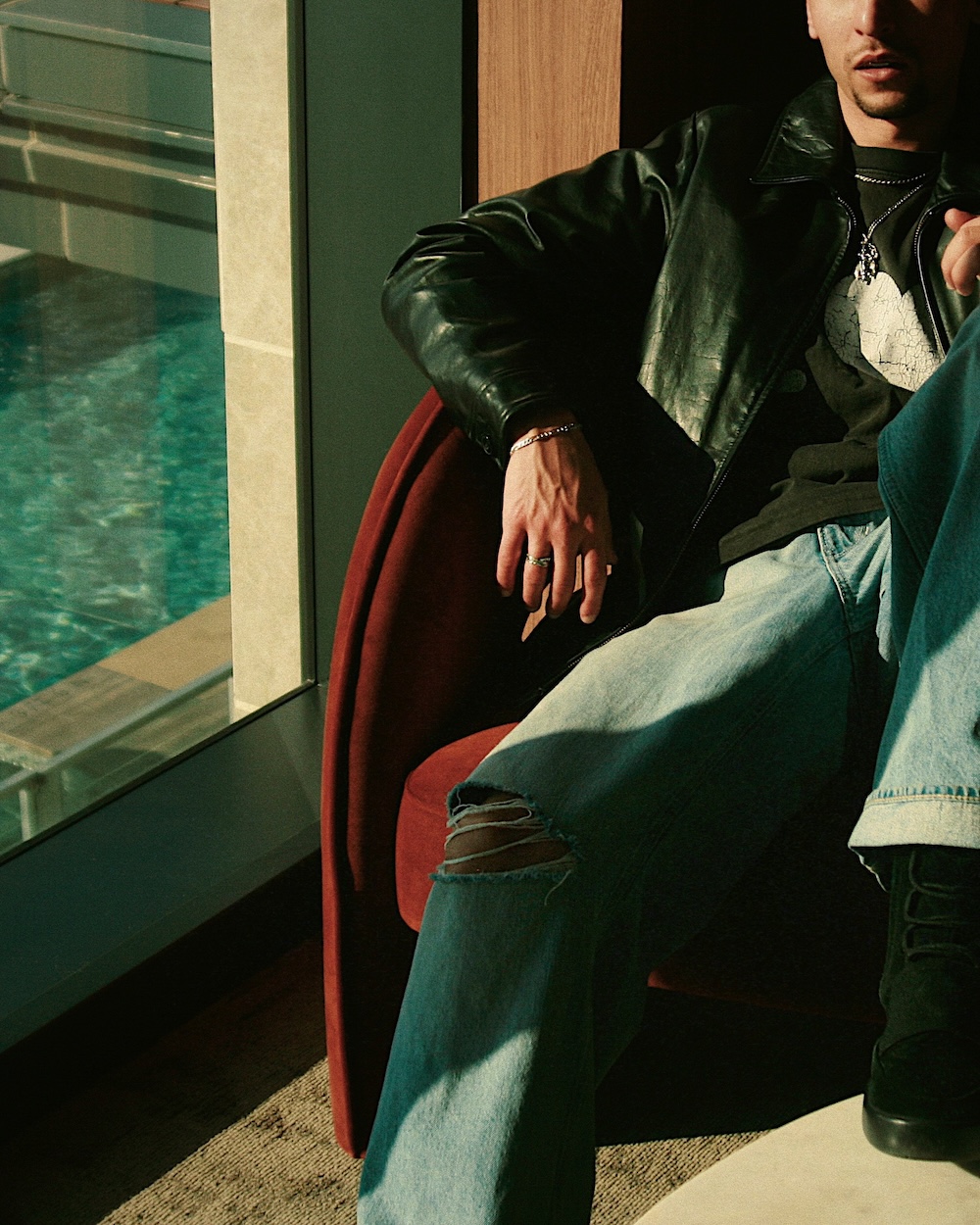
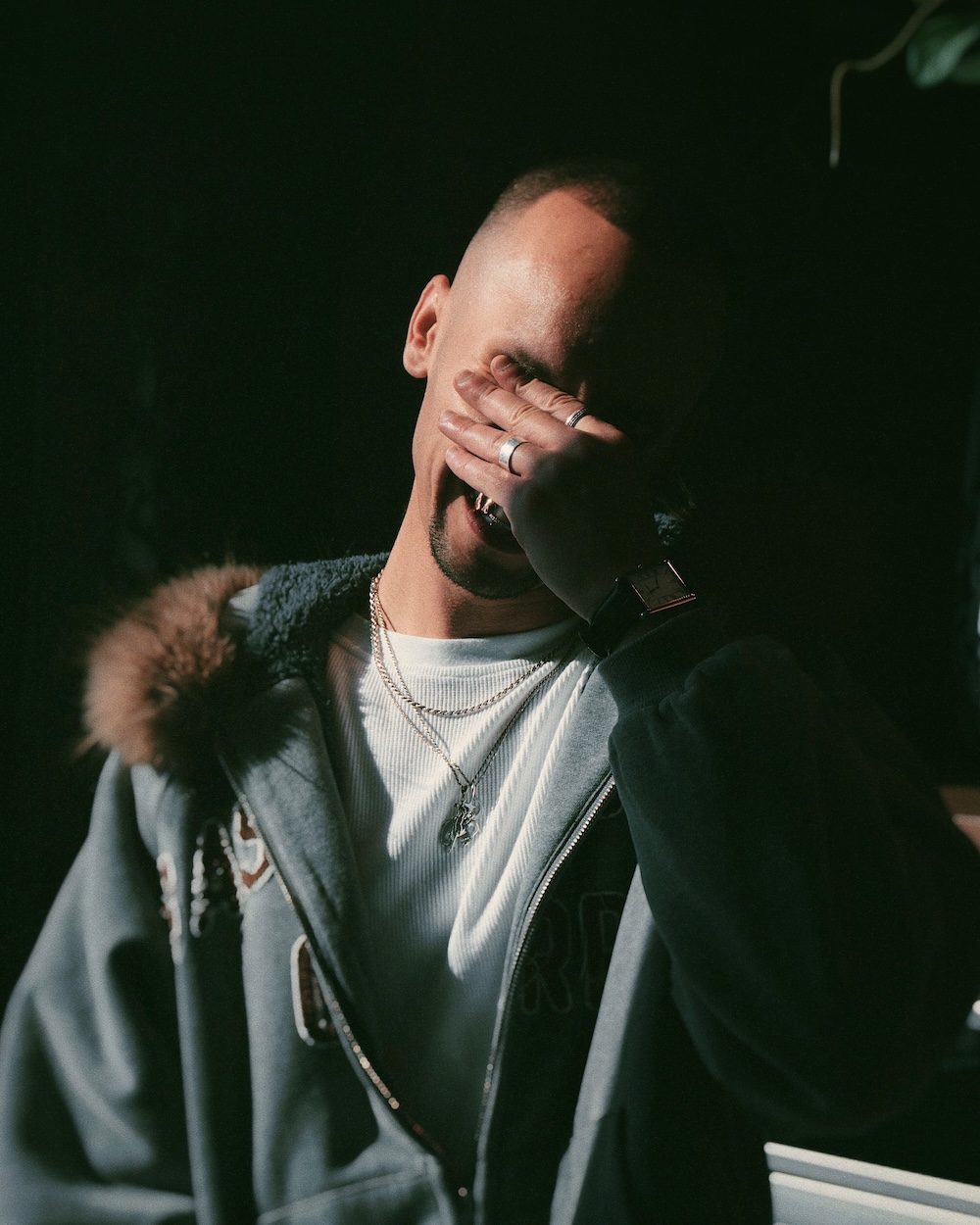
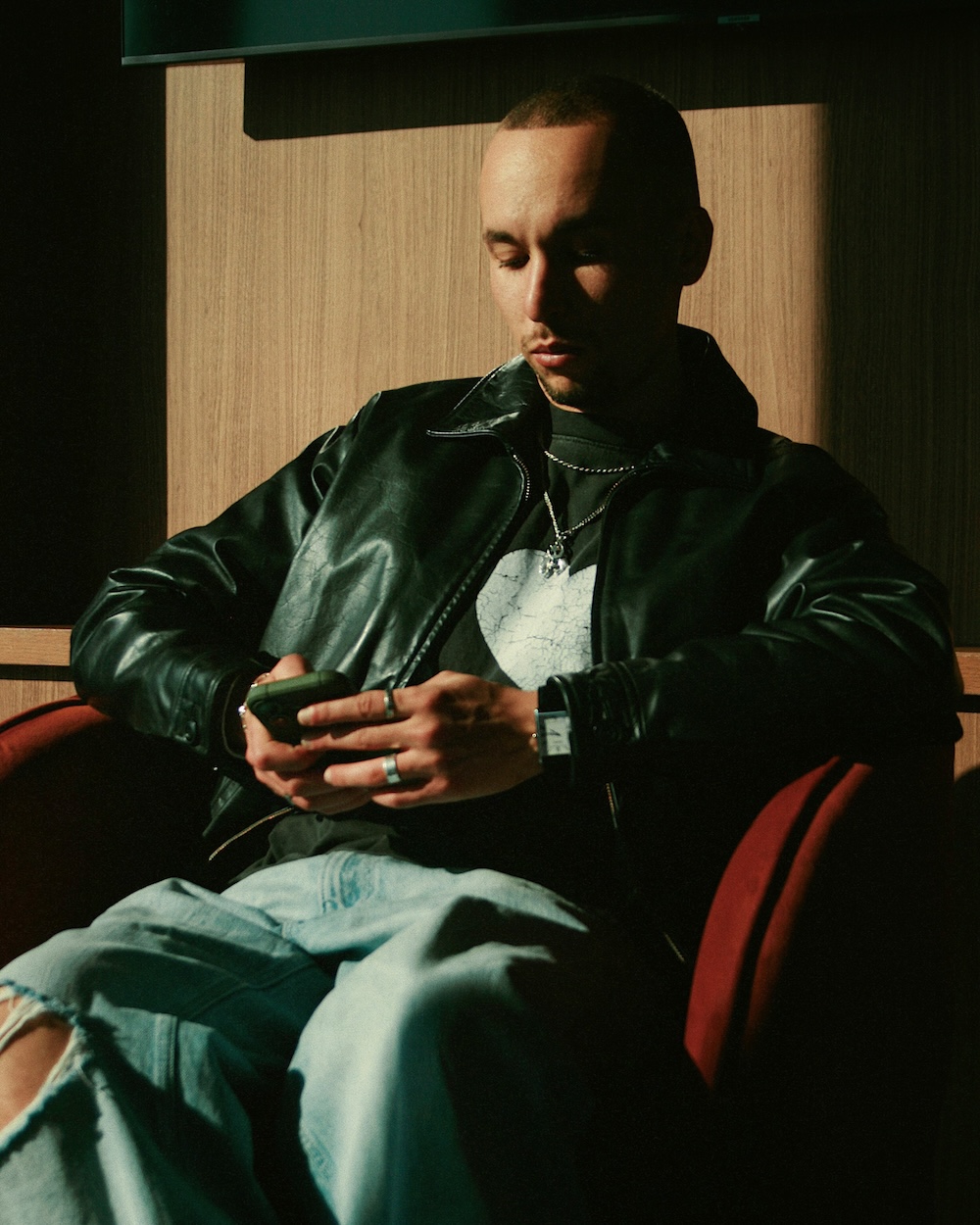
OMAR GUETFA INTERVIEW:
Firstly, briefly introduce yourself: What’s your name? Where are you from? How would you describe your production style?
My name is Omar Guetfa, and I’m based in Austin, Texas. The beats I feel closest to are vivid, dark, and imperfect.
What would you say are the most popular beats you’ve created?
Most definitely Private Landing and Hitek Tek. There’s also a record I did for Gunna with Marshmello that made its way around leak communities (booo).
What is your favourite song that you’ve worked on and why?
Private Landing. When music passes through so many hands, your voice can get lost in the mix. Samples get chopped, keys get added.
But with Private Landing, the sample I made was preserved—BPM, key, arrangement. Everything I created is in there, speaking for me. We fight so hard to have our voices cut through, and that’s one where I helped define the sound of the track.
Grateful to Cardo, Derek, Sickamore, and Rob for hearing the kid out.
Do you think that production software becoming more accessible is a positive or negative thing for music? Why?
From my limited perspective as a guest in the rap space, I think it’s a double-edged sword. A lot of the originators of rap come from lower socioeconomic backgrounds, so removing that financial barrier to entry is ultimately a net positive. We need more voices from those communities to continue defining the genre.
On the other hand, it’s harder to gate-keep, and I believe some gatekeeping is good. Seeing the producing space get diluted by people who only superficially embody the culture can be tough.
JOIN THE INNER CIRCLE
This interview is part of our long-form content series, now hosted exclusively on our Substack. To read the full conversation with Omar Guetfa and gain access to our archive of deep-dives into the architects of Hip Hop and global culture, head over to the Viper Substack.
[READ THE FULL INTERVIEW HERE]