MEET THE PRODUCERS: KHRIS RIDDICK-TYNES – EMOTION, INTENTION, AND THE ART OF BUILDING WORLDS FOR THE NEW GENERATION
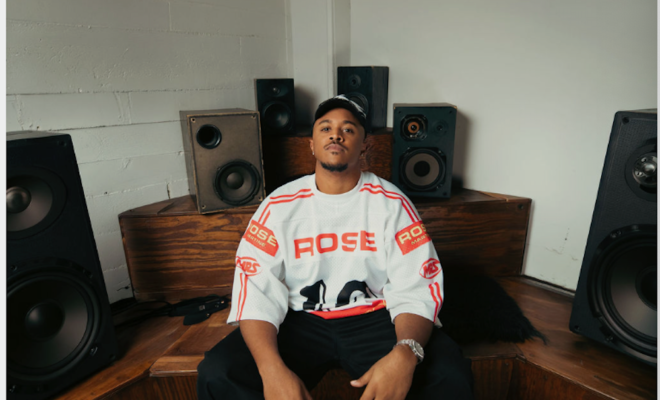
In the latest instalment of our Meet the Producers series, Viper sits down with a creator who doesn’t just make beats—he builds atmospheres. Khris Riddick-Tynes has become one of the most vital architects in modern R&B and Pop, known for a “song-first” philosophy that prioritises raw emotion over technical flair.
Born and raised in Los Angeles with deep familial ties to New Orleans, Khris brings a rich cultural texture to the studio. His impressive catalogue features some of the most era-defining records of recent years, including the atmospheric heights of SZA’s Snooze and the intimate, elevated textures found on Kehlani’s latest self-titled project.
Whether he is executive producing entire albums or scoring the specific feelings of the world’s biggest stars—from Ariana Grande and Drake to Jack Harlow—Khris remains anchored by a belief in restraint and intentionality. We spoke with the GRAMMY-winning producer about his early start in music, his upcoming Netflix project, and why, in an era of accessible software, “taste” remains the ultimate differentiator.
Firstly, briefly introduce yourself.
My name is Khris Riddick-Tynes. I’m from Los Angeles, born and raised, with deep roots in New Orleans culture through my family. I’d describe my production style as song-first. Everything starts with emotion and intention. I’m less focused on making “beats” and more focused on building worlds that feel honest, timeless, and specific to the artist. It’s about translating who they are into sound.
What would you say are the most popular beats you’ve created?
I don’t really separate my work as “beats,” but records like ‘Snooze’ with SZA and ‘Folded’ with Kehlani are definitely some of the most impactful. Those are records where the production supports the emotion in a way people really connect with.
What is your favourite song that you’ve worked on and why?
Right now, it’s ‘I Need You’ by Kehlani and Brandy from Kehlani’s self-titled album. There’s something really special about that record, the vulnerability, the texture, and the way the vocals sit in the production. It feels intimate but still elevated. It’s one of those songs where the emotion leads everything.
Do you think that production software becoming more accessible is a positive or negative thing for music?
It’s a positive. Access is never the problem, taste is. More people being able to create just means more opportunities for great art to exist. The separation will always come down to perspective, discipline, and intention.
JOIN THE INNER CIRCLE
This interview is part of our long-form content series, now hosted exclusively on our Substack. To read the full conversation with Khris Riddick-Tynes and gain access to our archive of deep-dives into the architects of Hip Hop and global culture, head over to the Viper Substack.
[READ THE FULL INTERVIEW HERE]