BIZZLE OSIKOYA INTERVIEW: AFROBEATS, THE PLUG & AFRICAN ENTERTAINMENT ECOSYSTEMS [EXCLUSIVE 2026 FEATURE]
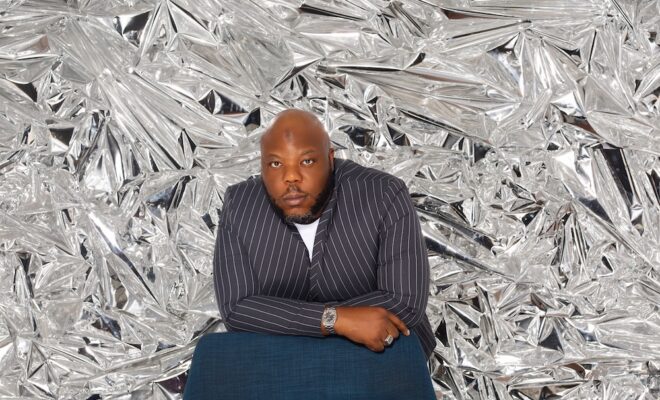
BIZZLE OSIKOYA INTERVIEW: AFROBEATS, THE PLUG & AFRICAN ENTERTAINMENT ECOSYSTEMS – Architects of the Culture: Bizzle Osikoya on Infrastructure, Ecosystems, and the Future of African Entertainment
The global narrative surrounding African music has long suffered from a persistent flaw: treating a continent’s rich, self-sustaining cultural movement as a sudden “discovery.” For over a decade, music executive and talent manager Bizzle Osikoya has been dismantling that perception from the inside out. As co-founder of The Plug—a powerhouse entertainment company spanning music management, publishing, live events, and sports—Osikoya has played a pivotal role in guiding breakout stars like Victony while helping establish the strategic frameworks that power global icons such as Davido, Tems, and Oxlade.
From scaling Mainland BlockParty into a continent-crossing live movement to advocating for fair representation within the Recording Academy, Osikoya’s work centres on a clear philosophy: viral moments mean nothing without the structural scaffolding to support them. In this interview, he breaks down the misconceptions Western markets still hold about the industry, the necessity of building self-sustaining ecosystems, and why the next phase of the movement is about long-term ownership.
On Globalisation, Infrastructure, and Cultural Authenticity
Having been at the forefront of the globalisation of Afrobeats, you have watched the music transition from a regional sound to a dominant global force. What is the biggest misconception Western markets still have about the infrastructure required to scale African talent internationally?
The biggest misconception is that African talent just needs a moment, a viral record, a co-sign, a festival slot, and the infrastructure will follow. In reality it works the other way around. The infrastructure has to exist before the moment or the moment gets wasted. Western markets have historically approached African talent through a discovery lens, as though artists are waiting to be found, rather than recognising that these artists are already operating within functioning ecosystems, labels, management, distribution and live circuits, that have been built over many years.
They just don’t always look like the Western version. The gap that still exists is around understanding that the scaffolding, the management, the legal frameworks, the distribution muscle, is what turns one hit into a long-term career. That’s where the most important work is being done right now and it’s where the most meaningful opportunities for partnership lie.
When you look at the global footprint of artists like Davido, Tems and Oxlade, their success feels deeply rooted in authenticity rather than conforming to Western pop standards. How do you navigate the balance between preserving the cultural DNA of an artist’s sound and making strategic plays for international radio and streaming?
Authenticity and strategic play aren’t opposing forces, and the best outcomes happen when the strategy serves the authenticity rather than the other way around. Davido, Tems and Oxlade didn’t reach global audiences by softening what they did. They got there because the ecosystems around them figured out how to translate their sound without diluting it, and that is the actual skill. Tems’ tone and phrasing didn’t change to land on a record with Drake and Future or Rihanna singing a song she wrote. The placement strategy evolved to put her voice in rooms where the world was already listening. Davido built out the visual and cultural rollout so the sound arrived on its own terms, at scale.
The vocal pocket, the language mix, the rhythm section are untouchable because that’s the DNA. The job of the international team is to find where that authentic sound fits naturally rather than reshape it to fit a format. Practically that means building international strategic plays around the record that’s already culturally whole, because authentic records consistently outperform manufactured crossover attempts on streaming. Global audiences have gotten more sophisticated and they can tell the difference. If you have the right international team, you don’t need to compromise the sound to get the reach.
JOIN THE INNER CIRCLE
This interview is part of our long-form content series, now hosted exclusively on our Substack. To read the full conversation with Bizzle Osikoya and gain access to our archive of deep-dives into the architects of Hip Hop and global culture, head over to the Viper Substack.
[READ THE FULL INTERVIEW HERE]