CAPLETON INTERVIEW: “MUSIC ALONE SHALL LIVE” – FAITH AND 40 YEARS OF FIRE [VP.2026 / 012]
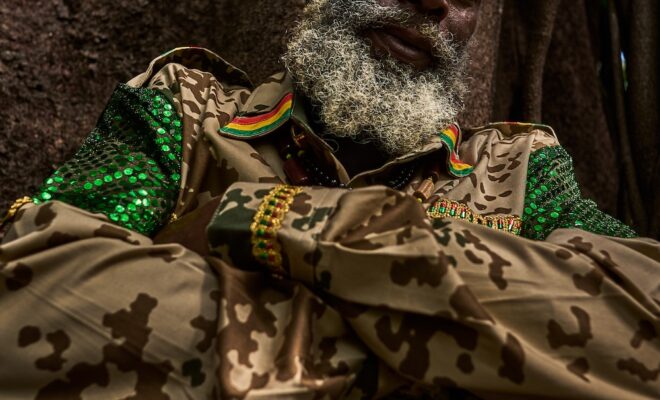
CAPLETON INTERVIEW: Ahead of his September tour, the Dancehall legend opens up about his long-awaited UK return, why real energy can’t be faked, and carrying the torch for the next generation.
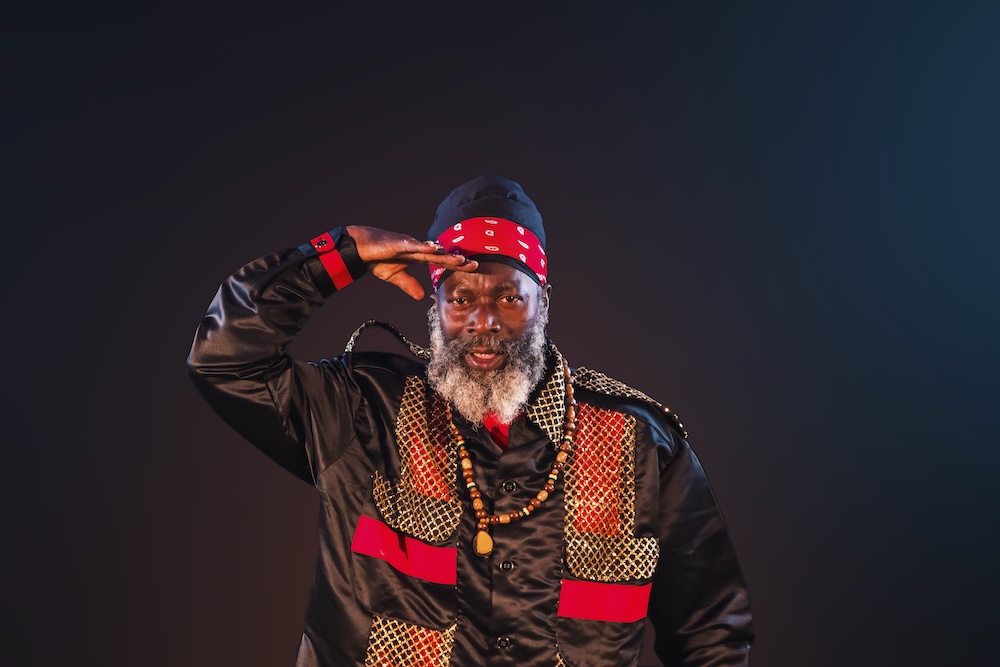
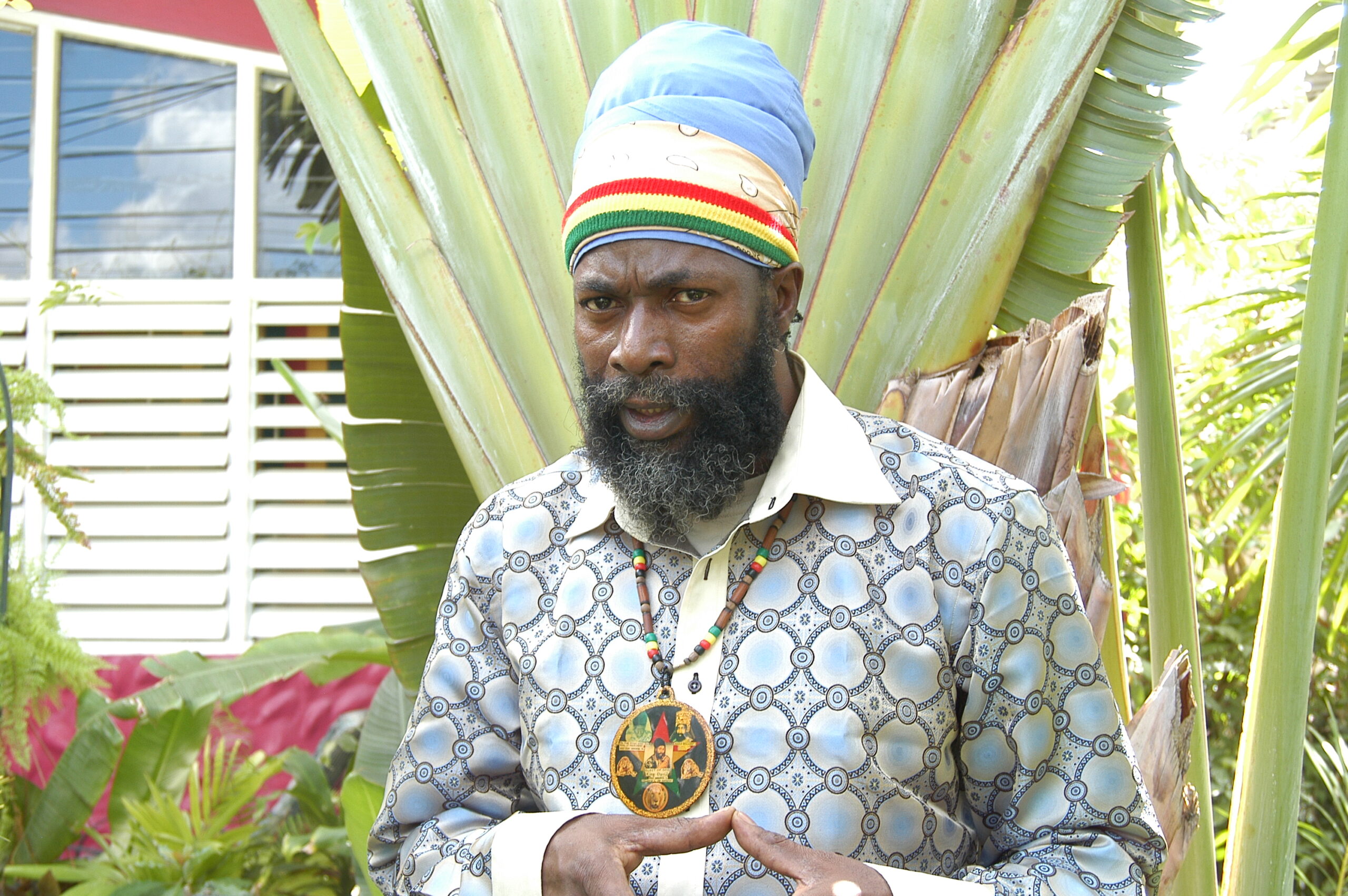
Decades into a career that transformed the soundscapes of Reggae and Dancehall, the Fireman’s energy remains untouched by time. As he prepares to return to the UK for his first full headline tour in over 13 years, we sat down to reflect on the spiritual discipline behind his legendary live performances, the enduring power of his Rastafarian faith, and why true music never dies.
Your upcoming tour in September follows a 13-year ban from performing in the UK. I know you’ve been back and done a couple of festival shows since, but what’s it like to have a whole tour in the UK coming up?
It’s a great joy, a good feeling, a great drive reconnecting with the fans, you know? Yeah, man, it’s a blessing. The time is now, so we just have to manifest and do what we’ve got to do to keep the people happy. It’s all about the fans, all about the culture and the music.
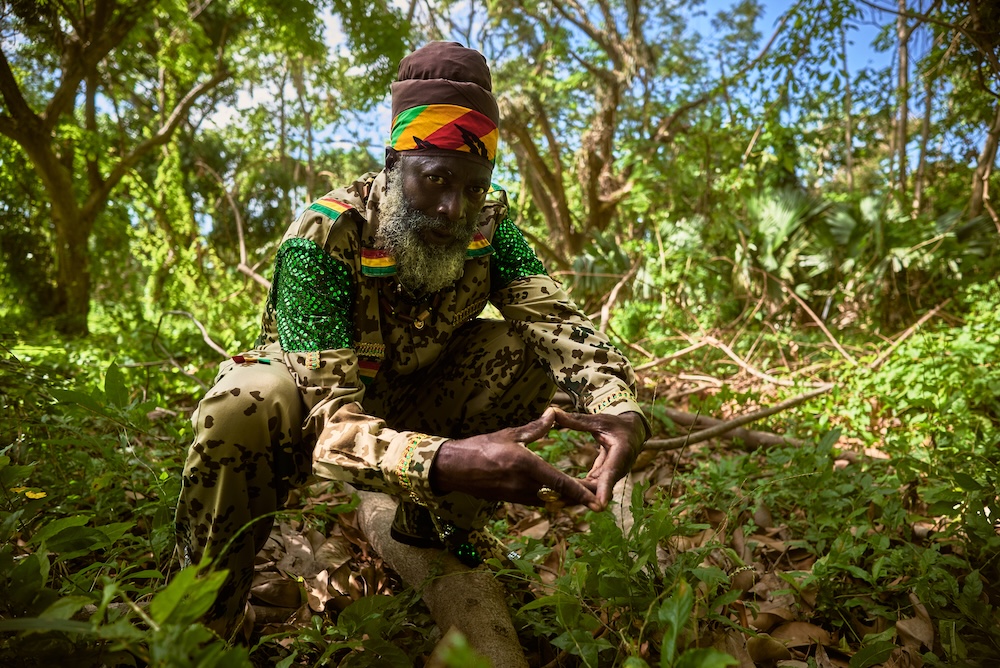
There’s a bit of a difference for an artist between a festival show and headline tour. What goes into the planning for that? What have you got coming up with this tour?
I’m all over the world, you know what I mean? So, I’m looking forward to this stop in England. It’s somewhere up close and personal. It’s not like a City Splash or a festival with 75,000 or 50,000–60,000. It’s a different kind of energy, a different kind of vibe—more intimate.
I was looking at the shows you did back in the 90s and 2000s. I think your last show before the ban was at Stratford Rex with Buju Banton and Taurus Riley, which must have been one of the most crazy, iconic shows. If it wasn’t that one, what was the most iconic show for you when you performed in the UK in those days?
There was an outdoor show—Cocoa Tea was at that show. When I was on stage, the sky was really dark. Then out of the blue, the sun just burst out of the sky. It was so mystic, people couldn’t believe it. It didn’t come out for long, it’s like the clouds just opened, the sun came out, and the whole place was brightened up for a couple of seconds, then it shut back up. People were talking about that for months. Even to this day, people still remind me about it. For real, it was a crazy show, very nice show. A lot of people, an outdoor show like a park.
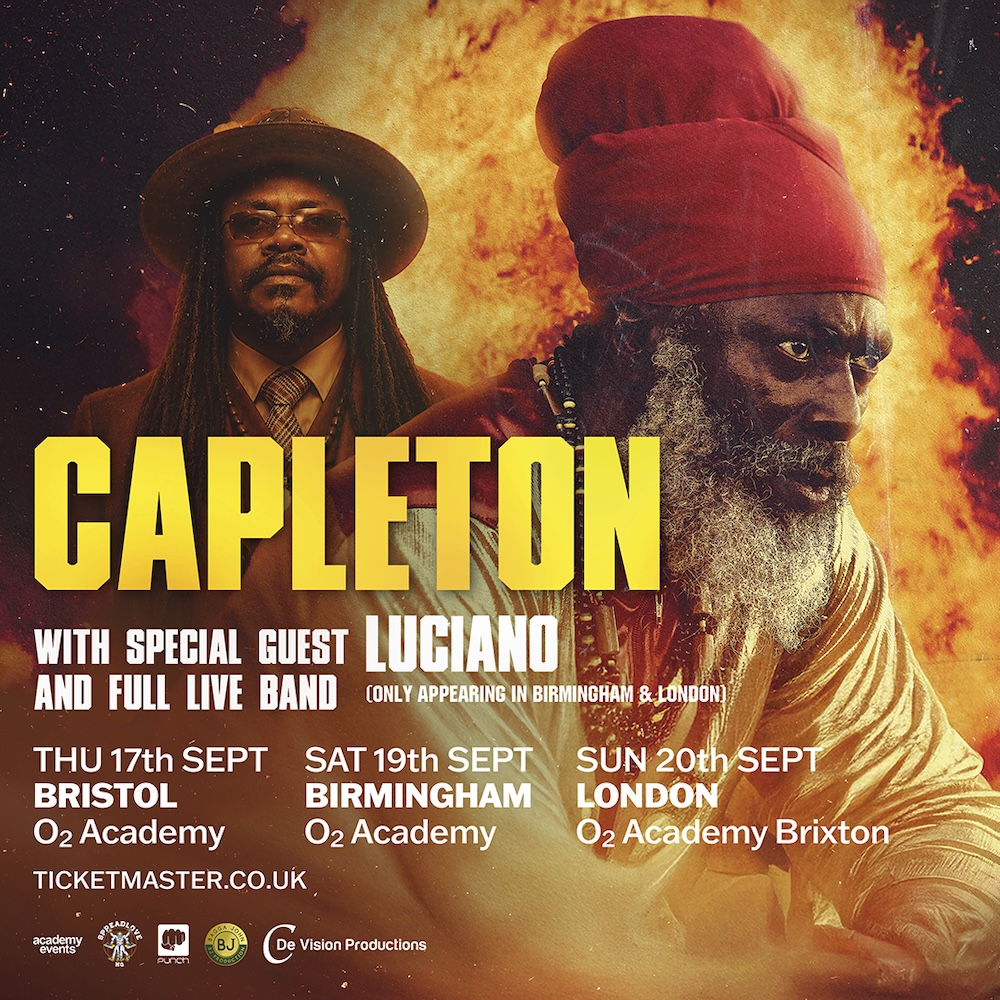
Catch Luciano and Capleton live in London on September 20th.
That’s quite rare in the UK.
Very, very, very real. The UK fanbase is a very special fanbase. It’s just one of my biggest fanbases.
Why is that? Do you think it’s the heritage? Obviously, we have a lot of Jamaicans and other Caribbean cultures here.
Yeah, and I guess the culture, too. England people like positive music, you know, for over the years. They love Dancehall and everything, but the roots and culture—England thing that. People have been through struggles, the oppression systematically, and the music is the voice of the people. It speaks for the less fortunate, it speaks for the people that are oppressed systematically. It gives them soul, direction, and a sense of hope. Whenever there is despair, the music brings hope. Whenever there is sadness, music brings happiness. Wherever there is sorrow, the music will always bring joy. I guess it’s the music, the culture, the message, and everything.
Interview by Lily Mercer
JOIN THE INNER CIRCLE
This interview is part of our long-form content series, now hosted exclusively on our Substack. To read the full conversation with Capleton and gain access to our archive of deep-dives into the architects of Hip Hop and global culture, head over to the Viper Substack.
[READ THE FULL INTERVIEW HERE]