KENDRICK LAMAR, JAY-Z, AND THE UNDENIABLE MEANING OF 27 GRAMMY WINS IN HIP HOP
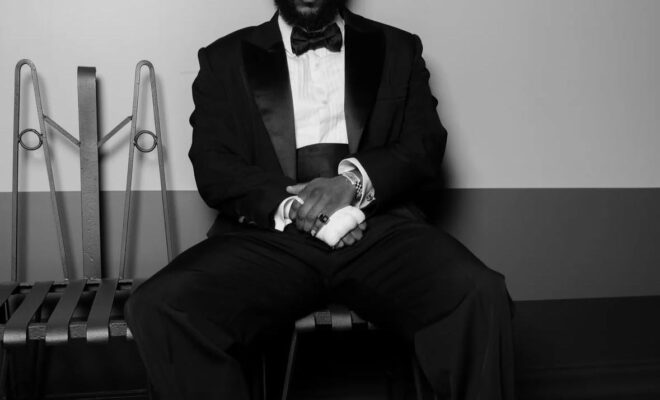
Uncompromising Excellence: The Weight of 27 Wins. How Kendrick Lamar surpassed Jay-Z to redefine the cultural currency of the Grammy Awards.
Kendrick Lamar tying for fifth place in all-time Grammy wins isn’t just a statistic, it’s a cultural moment that forces the music industry to reflect on what it now chooses to reward. Across nearly two decades, Kendrick’s work has resisted ease, rejected oversimplification, and challenged the idea that Hip Hop must constantly perform for approval. In 2026, his continued recognition raises a deeper question: has the industry truly evolved in how it values Hip Hop, or has Kendrick simply made himself impossible to ignore?
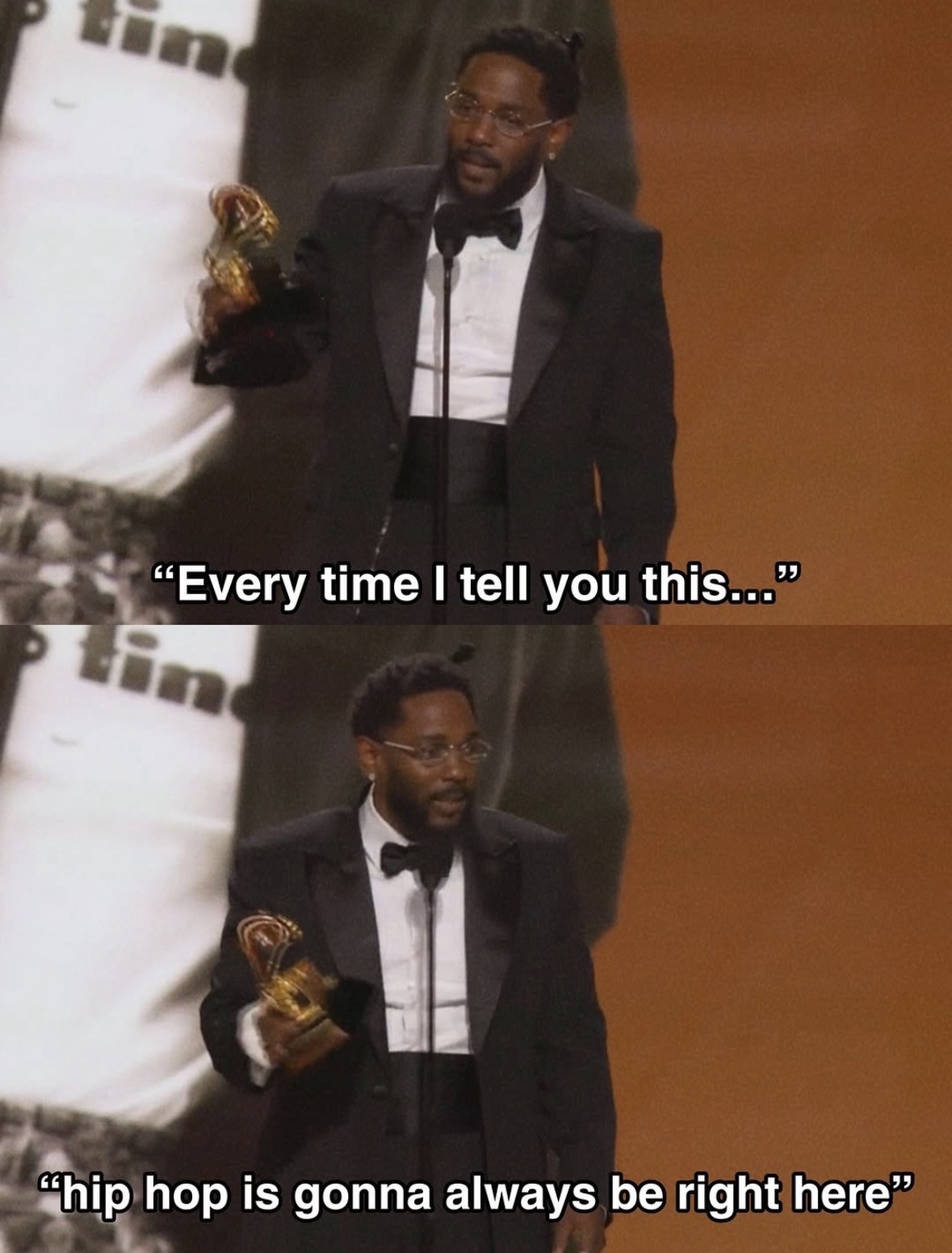
This ascent into the history books is cemented by a historic haul at the 68th Annual Grammy Awards. By taking home five trophies—including Best Rap Album for ‘GNX’, Best Rap Song for ‘TV Off’, and the prestigious Record of the Year for ‘Luther’—Kendrick has officially reached 27 career wins. In doing so, he has surpassed Jay-Z’s long-standing record of 25, officially becoming the most-awarded rapper in the institution’s history. He now sits in the rarefied company of the top five winners of all time: a list led by Beyoncé (35), followed by Sir Georg Solti (31), Chick Corea (29), and Quincy Jones (28). Tying with Alison Krauss and John Williams at 27, Kendrick is the first Hip Hop artist to break into this legendary tier, signalling a total recalibration of how the genre is weighed against the titans of Classical, Jazz, and Pop.
Each phase of Kendrick’s Grammy journey tells a different story. Early wins felt like validation: proof that the industry could no longer dismiss him as niche or underground. Later wins, however, shifted into something else entirely: acknowledgement of cultural weight. Albums like ‘To Pimp a Butterfly’ and ‘DAMN.’ weren’t rewarded for chart dominance alone, but for ambition, risk, and narrative depth. Kendrick helped redefine what “Grammy-worthy” Hip Hop could look like: politically charged, structurally complex, and unapologetically Black.
Words by Dejee Baptiste
JOIN THE INNER CIRCLE
This interview is part of our long-form series, now hosted exclusively on our Substack. To read the full article and gain access to our archive of deep-dives into the architects of Hip Hop and global culture, head over to the Viper Substack.
[READ THE FULL ARTICLE HERE]