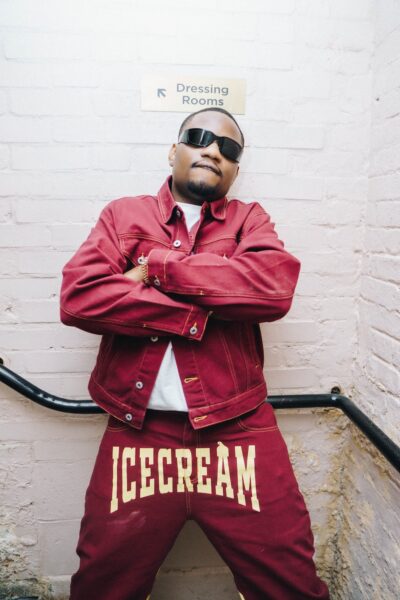
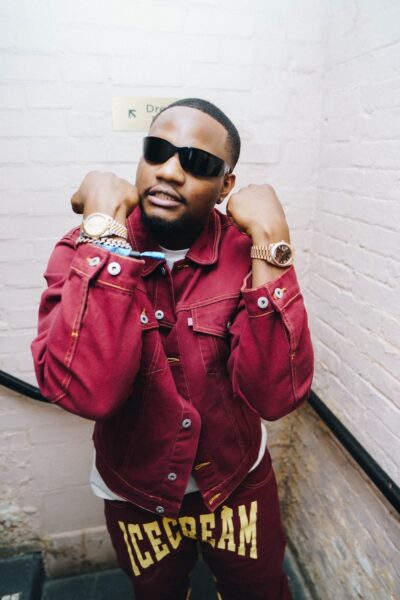
DJ TUNEZ INTERVIEW [SELECTOR SESSIONS] BOLD ENGAGING INTERVIEW 2025
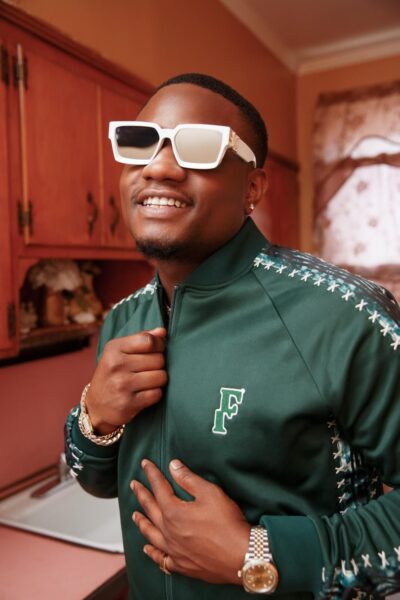
The Architect of the Atmosphere: Decoding the Philosophy of Diaspora Pioneer DJ Tunez.
In the current landscape of global music, where Afrobeats has transitioned from a communal secret to a universal language, few figures have navigated the shift with as much intentionality as DJ Tunez. His journey is not merely a chronicle of successful sets, but a sophisticated masterclass in how to bridge cultures. By centring his brand on the mantra “Trust the DJ,” he has cultivated a relationship with his audience that transcends the traditional boundaries of the DJ booth.
What inspired you to start DJing, and how has your journey evolved over the years?
From early on, I was surrounded by music—family parties, Yoruba rhythms, church bands, all of that. Outside of my home I was introduced to Caribbean, Hip Hop and R&B music. I fell in love with all of it. When I started DJing for my church I was inspired by the way a DJ could control the energy in a room. Over the years, the journey has shifted from just playing songs to building experiences—connecting cultures, bringing African music to different corners of the world, and growing as both a curator and producer.
Can you describe the creative process behind selecting tracks for your sets?
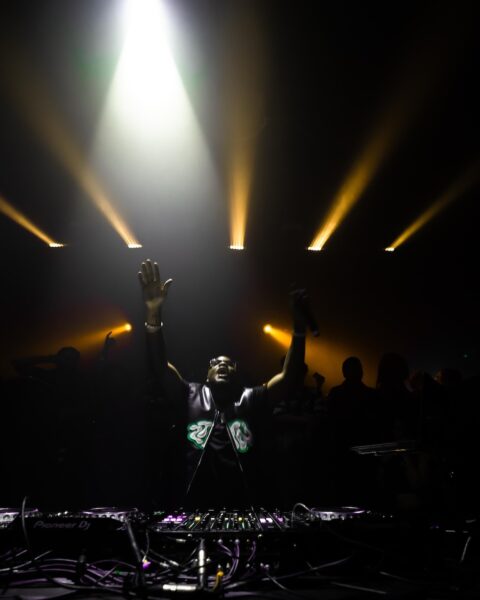
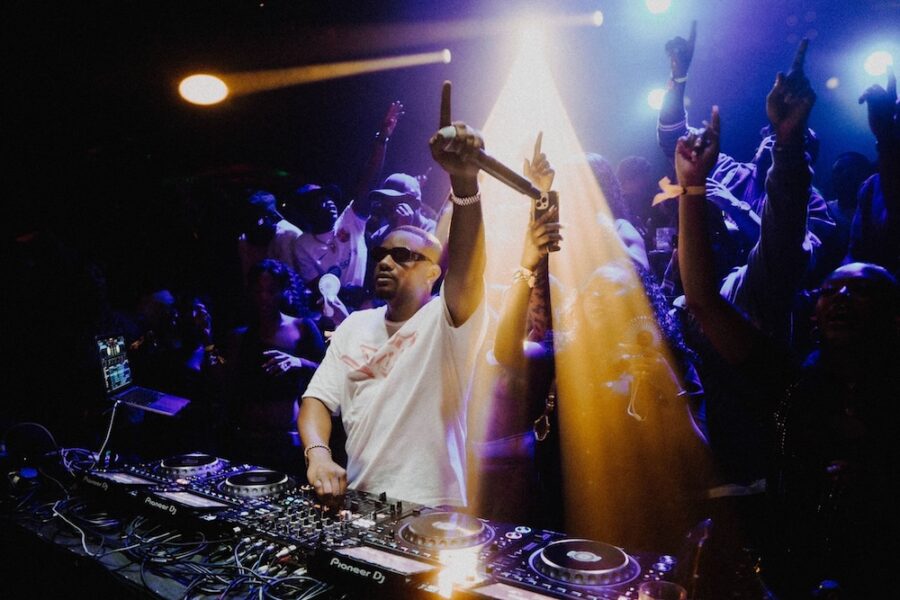
For me, it’s all about feeling. I study the crowd, the space, the energy. I like to go to my gigs early to get a feel for what the opening DJs are playing. During my set I mix in what’s current, what’s nostalgic, and what’s unexpected. I like blending sounds that represent home with global textures—Afrobeats, House, Dancehall, Amapiano. If it moves the soul or the waistline, it belongs in the set.
How do you stay connected with your audience while performing, and what role does that connection play in your sets?
Connection is everything. I’m always watching faces, reading reactions, feeling the vibration in the room. When the crowd trusts you, you can take them anywhere—slow it down, speed it up, introduce a new sound. That bond is what turns a DJ set into a journey. That trust is why I promote “TRUST THE DJ” to represent all the DJs worldwide curating good vibes.
In your opinion, what is the most significant change in the music scene since you began your career?
The biggest shift is global access. Afrobeats has gone from being something we played for the culture to something the entire world is dancing to. Streaming, social media, global collaborations—everything moves faster now, and music travels instantly. YouTube opened the floodgates and the diaspora did the rest. The global access has allowed us to acquire fans in more than 180 countries without having physically being there.
How has technology changed the way you approach DJing, and what tools do you find indispensable?
Technology has opened up creativity—better controllers, more powerful software, endless libraries. I rely on my mixers, Serato, USBs, and high-quality monitors. But most importantly, technology lets me experiment more with blends and live edits to keep each set unique. When I first started you needed to know an artist to get the vocals of records, now you can strip a record during your set and mix the vocals or instrumental how ever you feel. That gives the DJ a level of control and mixing that didn’t exist before. DJs have the room to fully utilise the music how they see fit.
What challenges do you face as a DJ in today’s music industry, and how do you overcome them?
The industry moves fast. The challenge is staying original while evolving. I overcome it by staying rooted in my identity, keeping close to my team, and always remembering why I started: to make people feel good through music. I have to stay agile and eager to learn. That passion that I started with must never decrease. I must always find new ways of growing.
Can you share a defining moment in your career that shaped your identity as an artist?
I was an established DJ in NYC and one of my friends made a comment that stuck with me. He told me that I’m a good DJ but at the end of the day I’m only playing other peoples records. I felt slighted and motivated at the same time. That’s the day I fully committed to producing music as well as DJ’ing. Not too long later I made ‘Iskaba’ with Wande Coal.
How do you incorporate your personal experiences or emotions into your performances?
Every set reflects where my head and heart are. If I’m feeling grateful, you’ll hear uplifting rhythms. If I’m in a spiritual zone, you’ll hear drums and deeper grooves. I express myself through blends, drops, and the journey I create from start to finish.
Who are your biggest musical influences, and how have they impacted your style?
I draw inspiration from Fela for his originality, from old-school DJs for their craft, and from modern creatives who push boundaries. I love my culture and I’ve always been proud to represent US. I’m inspired by any musicians who are creating or have created great music. I feel like I can learn from anyone, young or old. Everyone inspires me to keep experimenting with sound and honoring my roots.
What message or vibe do you aim to convey to your audience through your music?
I want people to feel joy, freedom, and unity. Whether it’s a club night, a festival, or a private show, I want you to leave feeling lighter than when you came.
How do you handle criticism or negative feedback regarding your work?
I honestly use it as motivation. I take what’s constructive, ignore what’s noise, and keep it moving. By staying active I get to focus on the important things. Not everyone will understand your vision, but consistency always speaks louder than opinions. My resume is unique. No one before me took it to this height in the United States. Knowing that I am cognisant of the fact that I inspire a generation of DJs that will take it even further than I have.
What are your thoughts on the current trends in DJ culture and music consumption?
We live in a content driven era now. People want everything immediately — short clips and viral moments. It’s exciting and shows me that you have to keep growing and evolving in how you deliver your music. This is important for me as I release music regularly. I’ve seen the trend in music consumption change drastically. In the 90s and 2000s it was a bit different. You actually had to buy a CD and listen to it from beginning to end because you felt invested. Now for the same price monthly, if not cheaper you have access to everyone’s music with the same investment. The value is naturally going to decrease because it’s readily available.
How important is collaboration with other artists, and can you share some of your favourite collaborations thus far?
Collaboration is powerful—I personally feel that its needed to deliver the best quality music. As a DJ/Producer I find my best success while working with multiple artists, producers and songwriters. Multiple people worked on ‘Iskaba’ and that’s my biggest record till date. Working with artists who understand the culture and who bring their own magic always pushes me to grow. Some of my favorite collabs are the ones where we created something timeless and unexpected. I literally created ‘Iskaba’ in a East New York (Brooklyn) basement with Wande Coal. At the time I never imagined it would become the biggest DJ and artist track from Nigeria almost 10 years later.
What advice would you give to aspiring DJs looking to make a mark in the industry?
Get as much practice and reps as you can. Appreciate every step of the process and don’t try to skip steps. Always good to learn and be an apprentice to an established DJ. So many gems you can learn by just watching a professional closely. When you’re an opening DJ play music that shows your talent not just HIT records that the crowd will hear four times in one night. Playing hundreds of hours as an opening DJ is where you learn to study crowds and select tracks better. Practice like crazy. Study crowds. Build your brand. And most importantly—play from the heart. When you love what you do, people feel it.
Looking forward, what goals do you have for your career, and how do you plan to achieve them?
I want to keep pushing African music globally, dropping more projects, collaborating across borders, and creating experiences that connect the diaspora. I want to keep working with young and established talent to continuously give the people GREAT music that connects to multiple generations.